The perspective
This year’s festival begins with a promising selection of films in an era of bolder social debates
This year’s festival begins with a promising selection of films in an era of bolder social debates
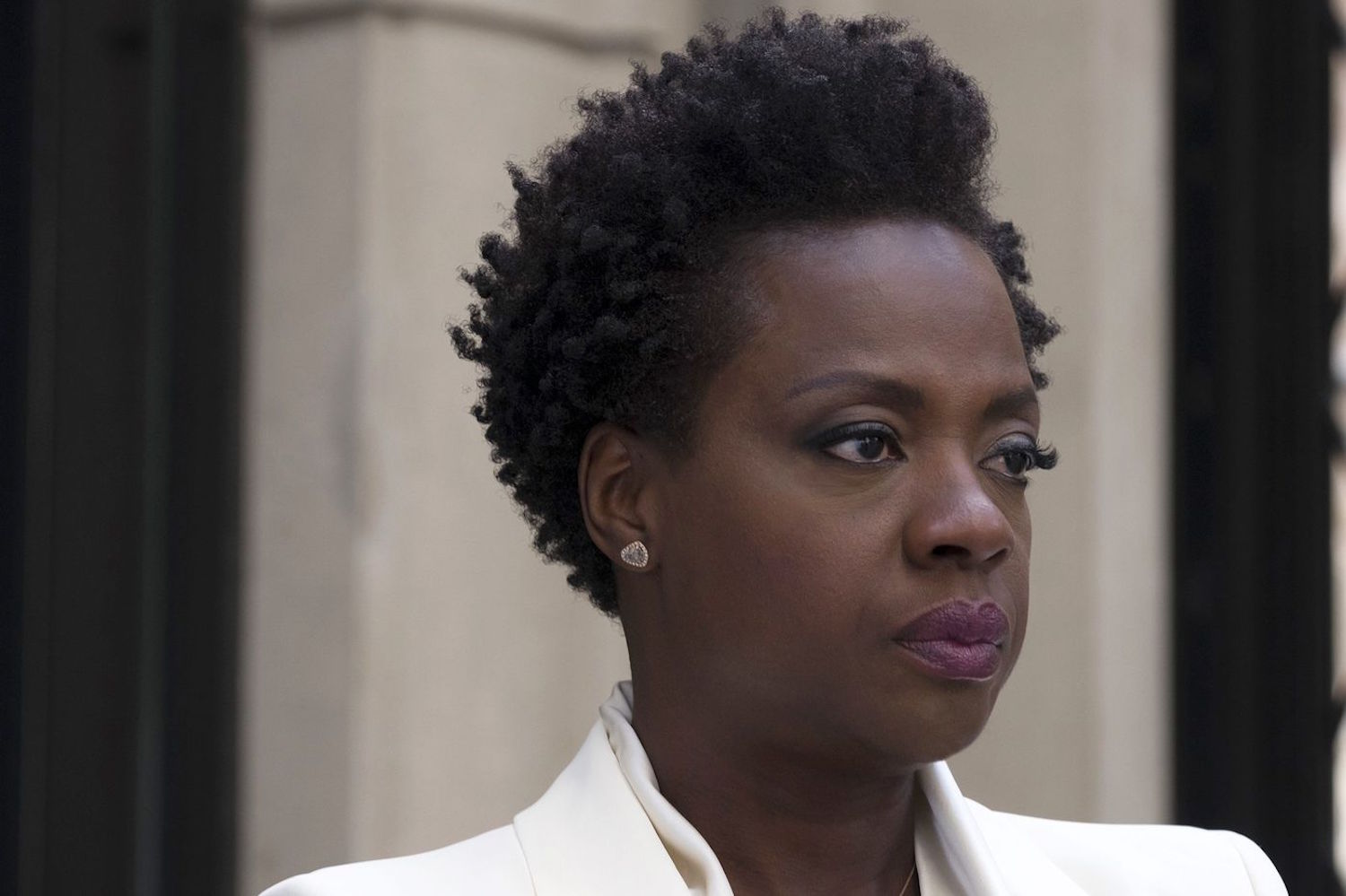
The BFI London Film Festival kicked off last night in ambitious form, with Oscar-winning director Steve McQueen’s female heist drama, Widows. After the violent deaths of criminal gang members, their widows assemble to arrange a robbery aimed at paying off their dead husbands’ debts. An all-star cast includes Viola Davis, Michelle Rodriguez, Elizabeth Debicki and Cynthia Erivo. Planning the heist leads the women into unexpected conflict with municipal politics, and election candidate Colin Farrell, who is simultaneously fending off both his father’s political legacy and an unexpected challenge from a section of Chicago’s black community. In earlier times, this kind of social panorama would bring to mind the novelistic sprawl of Dickens or Balzac, although the source material here is courtesy of Linda La Plante. The screenwriter is Gone Girl’s Gillian Flynn, and the backdrop of urban decay in Widows most immediately seems to recall the TV series The Wire.
I won’t reveal whether the heist is successful, but I can tell you that McQueen only partly pulls off his job. A dramatic plot and an intelligent artistry add many effective touches, alternating, however, with too much directorial tricksiness and some clumsiness in the attempts at social commentary. One wishes McQueen had planned things as well as his characters have, who discuss in one scene how much weight their bags can take, for he has stuffed too much into this film for my liking, and the seams show signs of wear and tear.
The other headline gala screenings include the world premiere of Stan & Ollie, an account of the late career of two film comedians played by Steve Coogan and John C Reilly. Yorgos Lanthimos returns for his third entry in four years after The Lobster and The Killing of a Sacred Deer with The Favourite, a period drama set in an early 18th-century Britain at war with France. The Favourite offers another strong set of female leads. Queen Anne is played by Olivia Colman, her friend Lady Sarah by Rachel Weisz, and Sarah’s cousin Abigail by Emma Stone. Weisz and Stone compete for the queen’s affections in a film that has been described by the festival organisers as “riotous”. This promises a surprising development for a director who came to prominence with the Greek film movement known as the “weird wave”.
A few films that we at The Platform anticipate with great excitement include Lizzie, the true story of the case of Lizzie Borden, who in 1892 became the main suspect for the axe murder of her father and stepmother, in an affair that may now be reconsidered in light of repression and patriarchy. Assassination Nation promises a revelry in violence, rebellion and other wicked delights, as a group of schoolgirls update the tale of the Salem witch trials in a high-school drama for the #MeToo era.
In a more sedately sardonic vein, Marielle Heller’s Can You ever Forgive Me? continues the new Hollywood trend for retro 1990s with a tale of the literary forger Lee Israel. Moonlight director Barry Jenkins’ If Beale Street Could Talk, an adaptation of a novel by James Baldwin, as well as the Coen Brothers’ multi-episode film, The Ballad of Buster Scruggs, and Alfonso Cuarón’s black and white vision of 1970s’ Mexico City, Roma, are more of the big releases we eagerly anticipate.
Scaring us perhaps for some of the wrong reasons, Luca Guadagnino’s release of Suspiria promises a ‘feminist’ update of Dario Argento’s 70s’ horror classic. Although its screening is still to come, the Call Me by your Name director has reportedly created a sepia-toned two and a half hours – which I fear may replace the lurid delirium of the original with a film aimed more at being the subject of cultivated dinner-party conversation than the unleashing of disrespectable energies of horror. On the other hand, Knife+Heart, a serial killer film set in 1979 in the world of the gay porn industry and starring a wondrous Vanessa Paradis, was the outstanding entry of the pre-festival press screenings. Disco, dildos and death have rarely gone so well together.
Finally, the festival will provide the opportunity to see a number of acclaimed non-English language films that may be difficult to see otherwise on the big screen. Italian director Alice Rohrwacher offers us Happy as Lazzaro (I don’t know why the UK distributors didn’t translate the name as ‘Lazarus’). Nuri Bilge Ceylan’s The Wild Pear Tree, on the other hand, continues the Turkish director’s transposition of Chekhovian drama into cinematic realisations of the poignant complexities of unsatisfying relationships, thwarted minor ambition, and the stifling nature of small town life in modern Turkey.
Photo Credit: Widows / Fox