The impact of school closures on children experiencing poverty extends well beyond the classroom – and has been underestimated so far.
Covid-19 has had an impact on every aspect of our lives – our social interactions, consumerist behaviour, the economy, physical and mental health and so much more. What’s not been explored enough is its impact on disadvantaged students. As a secondary school teacher working in a disadvantaged school, I have seen first-hand how the coronavirus pandemic has affected such students. As we came closer to the inevitable school closures, it begged the question for me: how will these students eat breakfast and lunch? School was the only constant and safe haven for many of our students, so if schools closed, what would be the ramifications?
I work in an inner-city secondary school in the North West, with high numbers of disadvantaged and vulnerable students, so there had to be a quick solution because we were short on time. There was still so much uncertainty, so I began a quick fundraiser and a local food bank came forward to donate food items.
Within hours, staff, students and the local community were coming together to help the vulnerable. This coalition was vital to address issues of poverty and come to the aid of vulnerable families. The government has been criticised for its slow response to addressing the needs of disadvantaged pupils, but in this situation, we put a temporary solution in place.
In the education sector, the issue is often one of definitions. Many students wouldn’t be classed as “vulnerable” because of the ever-changing parameters and criteria of “low socio-economic background” and eligibility for Free School Meals (FSM). Pupils left us with the donations looking meek and burdened with confusion, carrying food bags and not understanding how serious the situation had become in a matter of days, nor what the immediate future held for them and their loved ones. What’s more, the ever-changing “household income” threshold has declined over the years, which means that families once eligible for FSM and other benefits no longer receive them and are forced to pay when they still can’t afford to, or let the child go hungry at school. Child poverty is very real, but the current welfare system is failing to classify it. The latest figures on child poverty are alarming, with 4.1 million children living in poverty in the UK, that’s 9 children in a class of 30. A further disturbing statistic predicts that this figure will rise to 5.2 million by 2022.
Over the years, as austerity measures have become increasingly stringent, the role of a teacher and school has dramatically evolved too. We have become more than educators – we are also social workers and therapists. Pastoral support has become over-stretched due to limited resources, funding and training. Yet, I personally know colleagues who have spent their own money ensuring students have food to eat and the correct uniform to wear, going above and beyond what is required of them, for the sake of students and their families. I have received emails from work to share that some staff from school have been delivering Easter Eggs to vulnerable students. Then take the teacher from Grimsby, who has been delivering packed lunches to his pupils every day.
There is no extra recognition, bonus or honour for doing so – they just do it because they care – although many will argue that this responsibility should fall on the shoulders of the government or that funding must be provided for it.
When Boris Johnson finally made the announcement that schools would be closing three weeks ago, it raised more questions than it answered. Young people were being told that the exams that they had been preparing for, for a number of years, had been cancelled. Politically things were moving at a rapid speed, but schools and students were left completely in shock and perplexed as to what this meant and how we were to move forward.
Though the government deemed this move to be the most practical one, was it fair? As guidelines were slowly being communicated from the Department of Education, could all schools guarantee the most accurate grading system that matches the ability of the pupil? It remains to be seen how exam boards plan to standardise the grading system on a national level to avoid inaccuracy and unfairness. Many pupils perform poorly in mock exams but achieve better grades in their actual formal exams so teachers have been asked to provide a holistic view of students attainment. Disadvantaged pupils achieve half a grade lower in over a third of schools and only achieved higher Progress 8 scores in 6% of schools (Progress 8 is a government performance measure that was introduced in 2015-2016). Teachers are constantly told to close the education gap between the rich and poor students but this new ‘emergency grading system’ may perhaps widen that attainment gap instead of closing it.
Education policies that take months and years to develop and put into practice have now been created within a matter of days, and already cracks are beginning to show. Feelings of anxiety and frustration continue to arise among young people and their parents, while education professionals continue to try and create an effective grading system.
A profession where teacher judgment is constantly being questioned and inspected, we now lead the way to create a fair and robust grading system to ensure the best outcome for our students during a time of uncertainty and panic. As a teacher of disadvantaged pupils, I can only hope this system is inclusive for all.
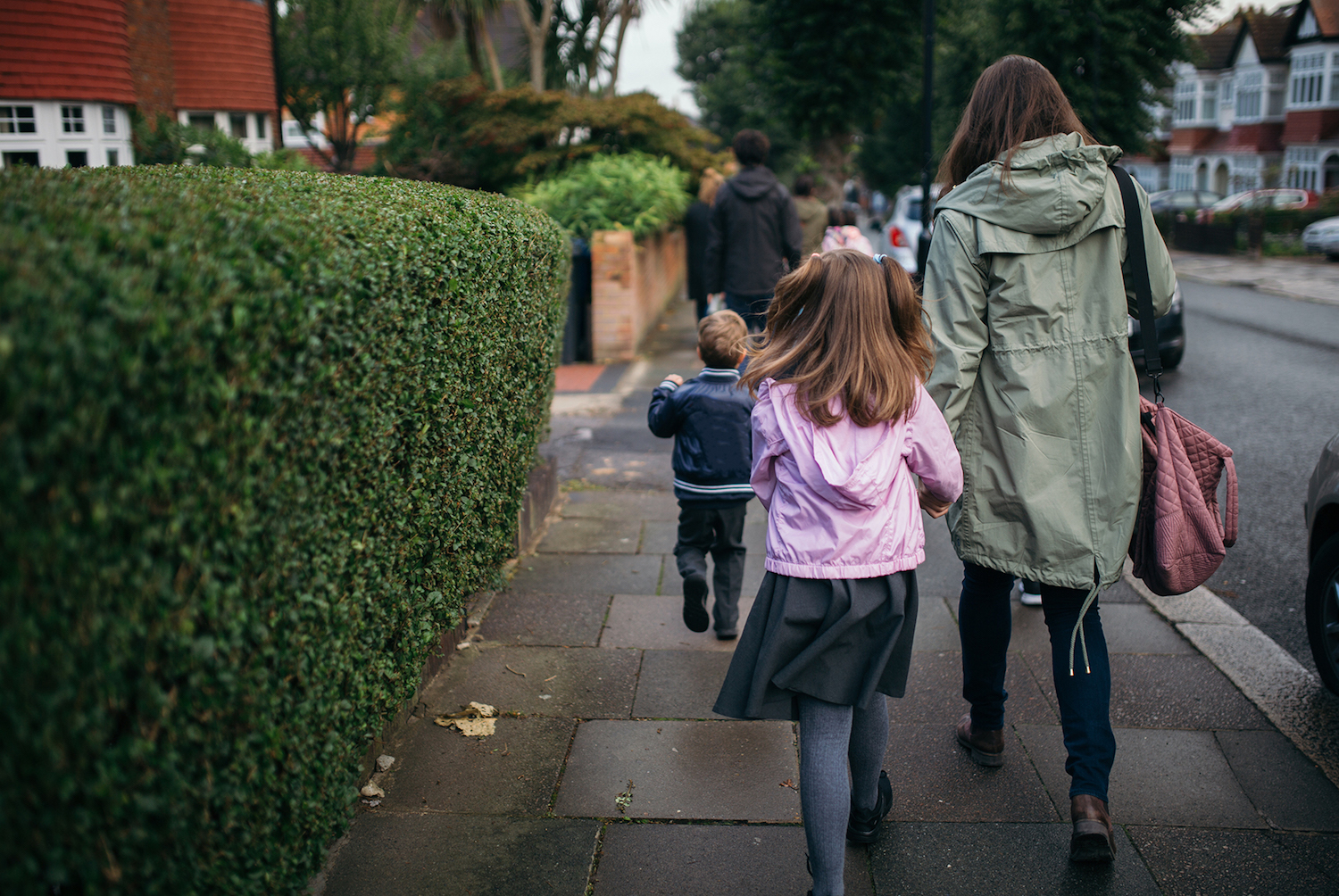
Photo Credit: Joseph Rowntree Foundation